
Tennis is much more than just a sport. For centuries it has been known as the “gentleman’s game”. At Cross Court Tennis Academy we believe that true mastery begins not only with a well-timed shot but with an understanding of court culture. For those just starting their journey tennis etiquette becomes the key to respect in any tennis environment, from local clubs to the world’s biggest arenas.
Honesty Is the Foundation of the Game
Tennis is unique because it is built on an exceptional level of trust. In most matches, from friendly practice sets to amateur tournaments, players compete without an umpire in the chair.
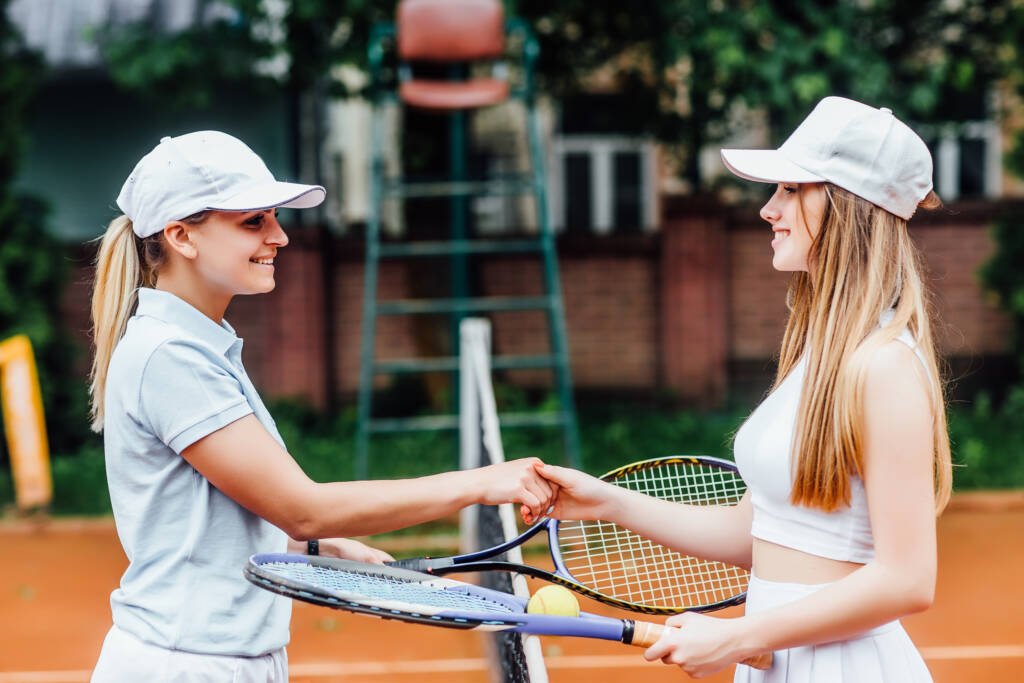
This means that every player is at the same time an athlete, a referee, and a guardian of fair play. There are no instant replays and no outside control. Your decisions in doubtful moments shape your reputation. Sportsmanship in tennis is not just a polite gesture; it is the foundation that keeps the game fair, respectful, and enjoyable.
Basic Rules of Behavior on Court
For beginners it is important to understand a few simple principles that make the game comfortable for everyone involved.
- Mutual readiness. Tennis is a conversation. Before serving or returning the ball to start a new point, make sure your opponent is ready. Serving while the other player is still adjusting or not in position takes away the chance for a good rally.
- Respect for space and concentration. Tennis demands full focus. If your court is next to others there are two important rules to follow. Do not walk behind players during a point: if a rally is in progress on a neighboring court, wait until the point is finished before passing behind it. Respect other courts: never cross another court while a point is being played. Wait until the rally ends before retrieving your ball or walking to your bench.
The net cord moment. Tennis is a game of fine margins. If the ball clips the net and changes direction before landing on your opponent’s side, it is considered luck rather than pure skill. It is common practice to acknowledge this moment with a quick “sorry” or by raising your racket. This small gesture shows respect and awareness of the situation.

- Close calls and fair play. In tennis any doubt is usually resolved in favor of your opponent. If you are not completely sure whether the ball landed out or touched the line on your side, the right choice is to give the point to your opponent. This mindset creates trust and mutual respect on court.
Managing Emotions
At Cross Court we understand that tennis is an emotional and intense sport. When the score is tight, the pressure is high, and victory is just one point away, emotions are natural. We do not expect our players to be emotionless; passion is what makes the game exciting and alive.
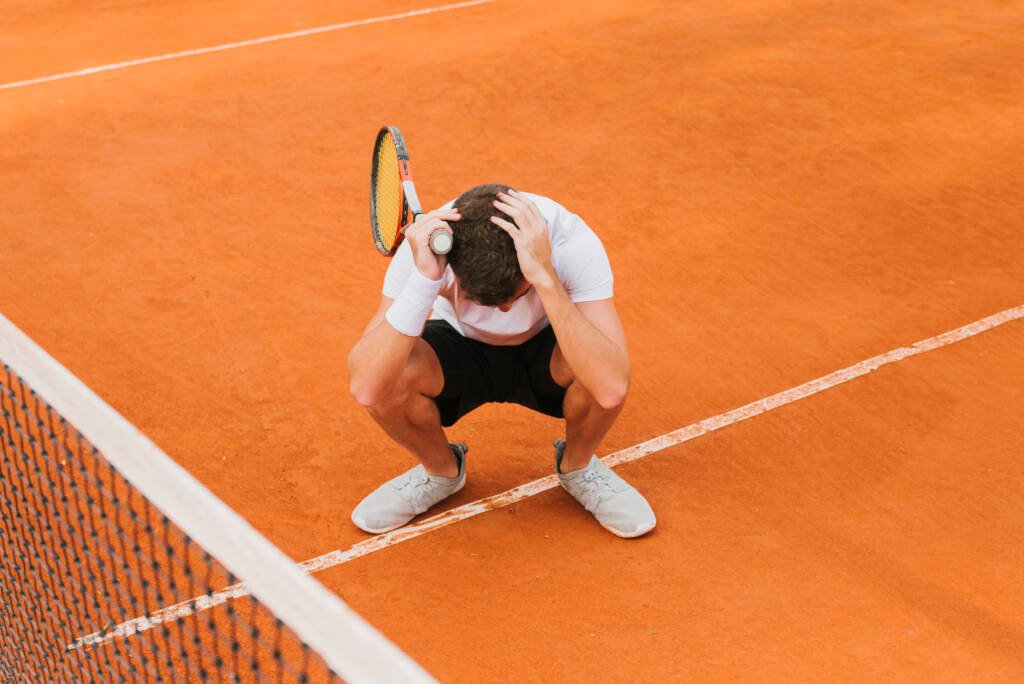
The professional approach we teach is about controlling those emotions. We help players channel that energy into better focus, smarter decisions, and cleaner execution.
A True Example of Sportsmanship
Tennis history is full of moments that inspire generations. One of the most famous involved Jack Sock and the legendary Lleyton Hewitt.
After Hewitt’s serve, a line judge called the ball out. Sock clearly saw that the ball had clipped the line and immediately told his opponent to challenge the call. Smiling, he shouted that the ball was in and encouraged Hewitt to check it. The replay confirmed Sock was right, and he voluntarily gave the point to his opponent. The crowd responded with applause, and the moment became a perfect example of how a true champion values honesty over a single point.
Start Your Journey at Cross Court
Beginning your tennis journey with the right values means earning respect and enjoying the game for a lifetime. Our coaches help players understand tennis traditions, stay composed under pressure, and truly enjoy every moment on court.
We look forward to seeing you at Cross Court. Let’s win with class.