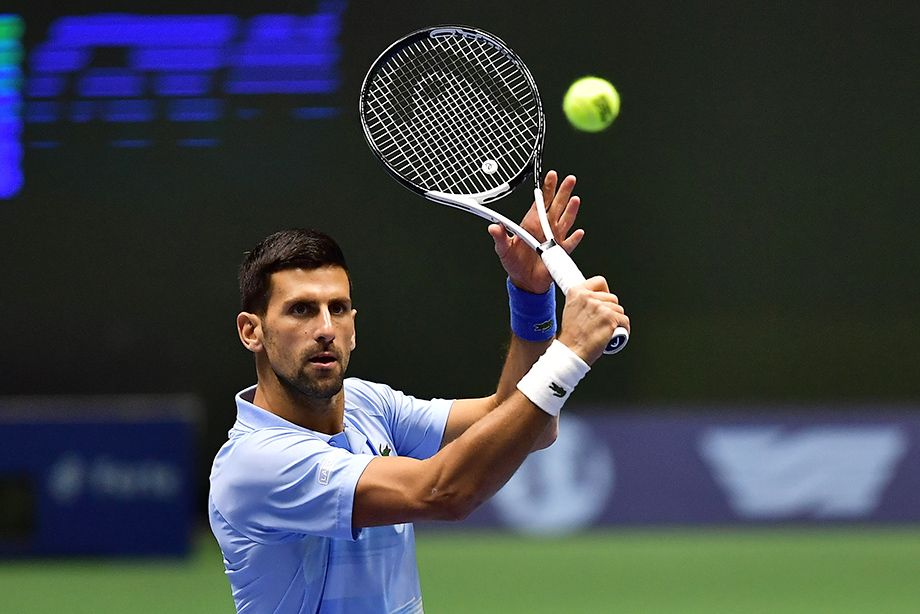
Solid serving skills and strong court positioning are only the foundation of a complete tennis game. To gain a true advantage on the court, players need additional tools that allow them to change the pace of play, disrupt their opponent’s rhythm, and create uncertainty.
Tennis is not just a physical battle — it is a psychological one. The player who can make their opponent feel the most uncomfortable often comes out on top.
In this second part of our article, we’ll take a closer look at some of tennis’s most tactically clever shots, as well as advanced techniques such as the tweener and the squash shot. These skills not only make the game more exciting to watch but can also help players escape seemingly impossible defensive situations.
Section IV. Tactical Variety: The Art of Disruption
Tennis is all about breaking your opponent’s rhythm. When powerful baseline exchanges are no longer effective, smarter shots come into play — shots that alter the geometry and dynamics of the match.
One of the most effective examples is the slice. By creating backspin, the slice keeps the ball low after the bounce, making it skid through the court. It is a surgical tool: a perfect way to slow the pace of the rally and force aggressive opponents to hit from uncomfortable, low positions. Professional players often use the slice as a defensive shield, buying themselves valuable time to recover and return to the center of the court.
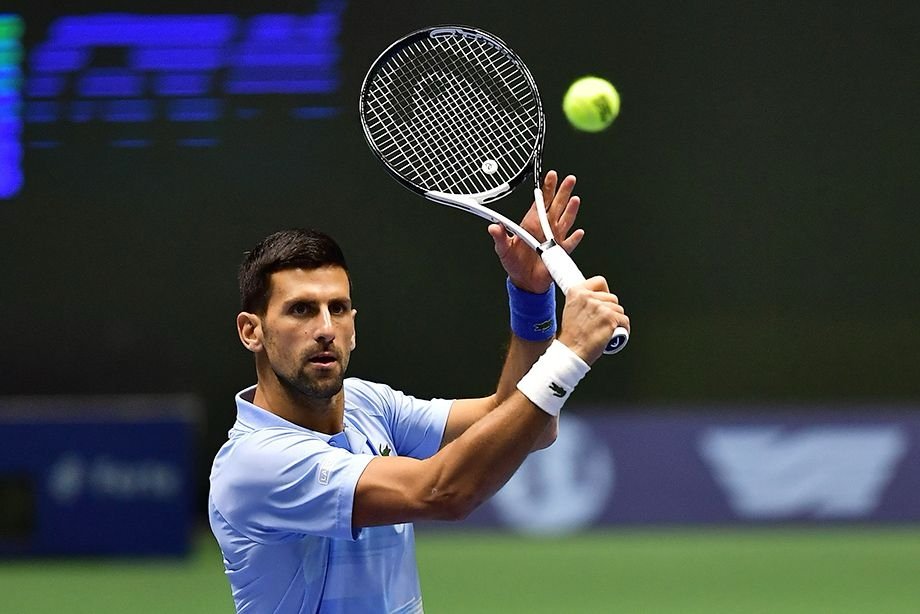
Photo: championat.com
Another deceptively dangerous weapon is the drop shot. The ball lands just over the net, often with backspin that causes it to stay short or even bounce back toward the net. The secret to a successful drop shot lies in disguise — the preparation should look identical to a powerful groundstroke until the very last moment. Drop shots are especially effective against players who position themselves deep behind the baseline, forcing them into sudden forward sprints they may not be ready for.
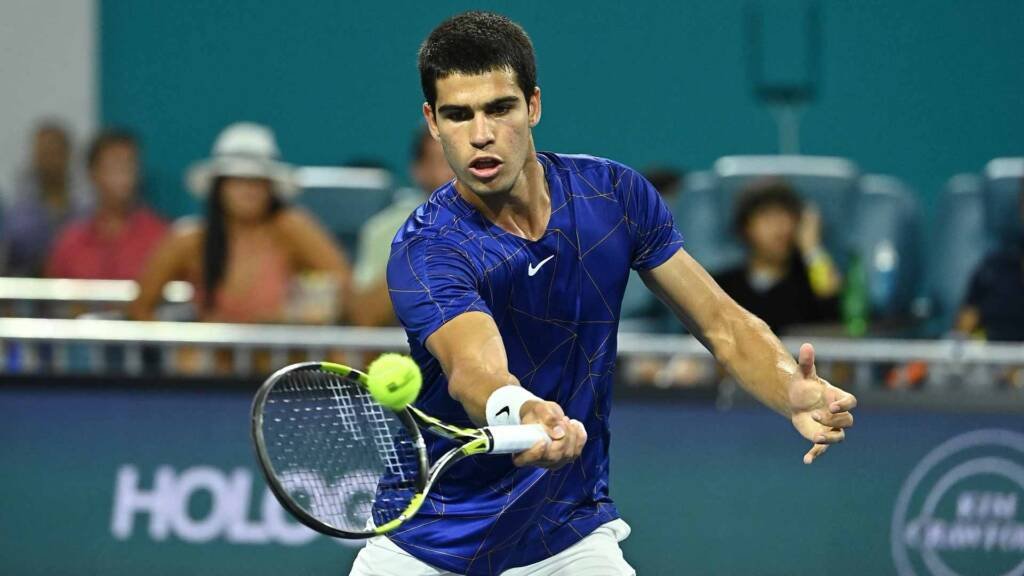
Photo: atptour.com
The lob is another essential tactical shot, whether used defensively or offensively. An attacking topspin lob is one of the most difficult shots to execute. The ball must clear the opponent while still dipping quickly back into the court, leaving little or no time for an overhead response. A well-executed lob can make even a perfectly positioned net player feel helpless.
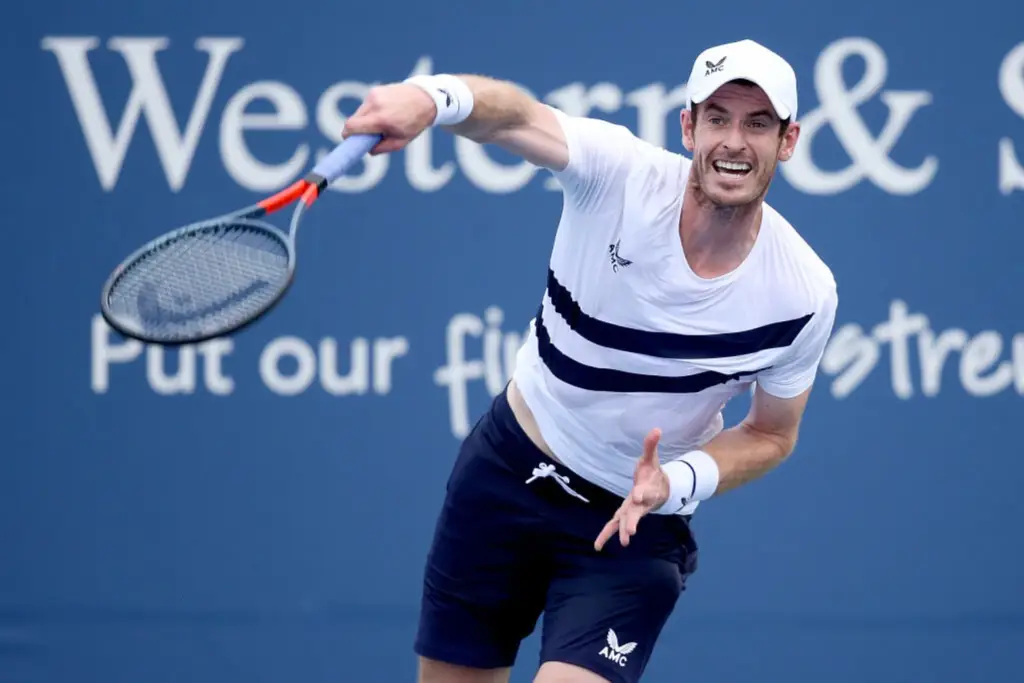
Photo: sports.ru
Section V. Mastery and Creativity: Pro-Level Shots
Some shots are rarely seen on recreational courts but regularly bring crowds to their feet at Grand Slam tournaments. These are high-risk, high-skill techniques that require exceptional timing and precision.
One of the most spectacular examples is the tweener — a shot played between the legs while chasing down a lob with your back to the net. Executing it successfully demands outstanding spatial awareness and coordination. Miss by a few centimeters, and you may lose not only the point but also your racket.
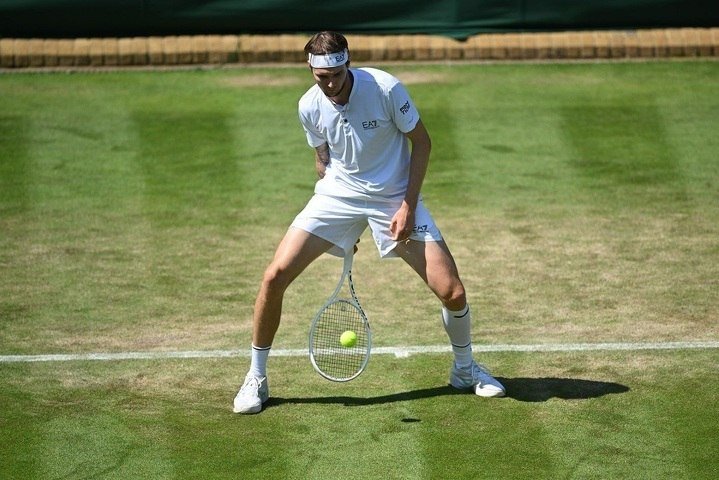
Photo: Jonathan Nackstrand / AELTC
Another fascinating tactic is the SABR (Sneak Attack By Roger), popularized by Roger Federer. When returning a second serve, the player suddenly charges forward, often reaching the service line, takes the ball early on the rise, and immediately transitions into an attacking position at the net. More than anything, it is a form of psychological pressure that deprives the server of valuable reaction time.
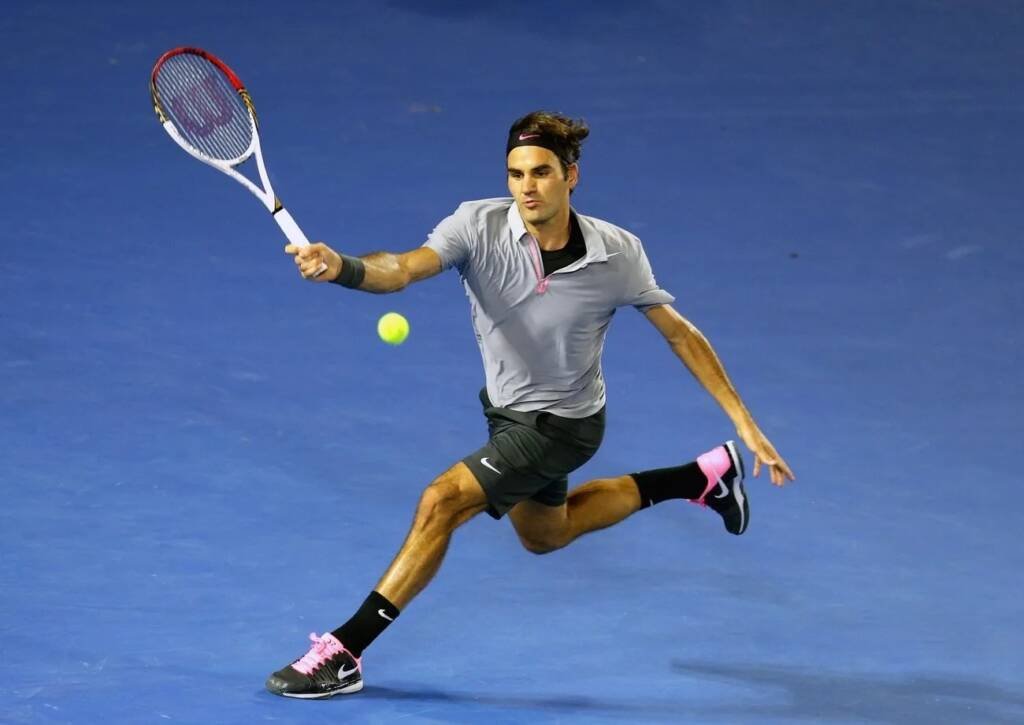
Photo: Mark Dadswell / KEYSTONE
Tennis history has also given us a number of unconventional techniques, such as the squash shot and the underarm serve. The squash shot is a defensive, sliced forehand played while fully stretched and without enough time for a complete backswing. It often serves as a player’s last line of defense. The underarm serve, meanwhile, has evolved from what many once considered a casual trick shot into a legitimate tactical weapon on the professional tour, famously used by players such as Nick Kyrgios and Alexander Bublik to punish opponents who stand excessively deep when returning serve.
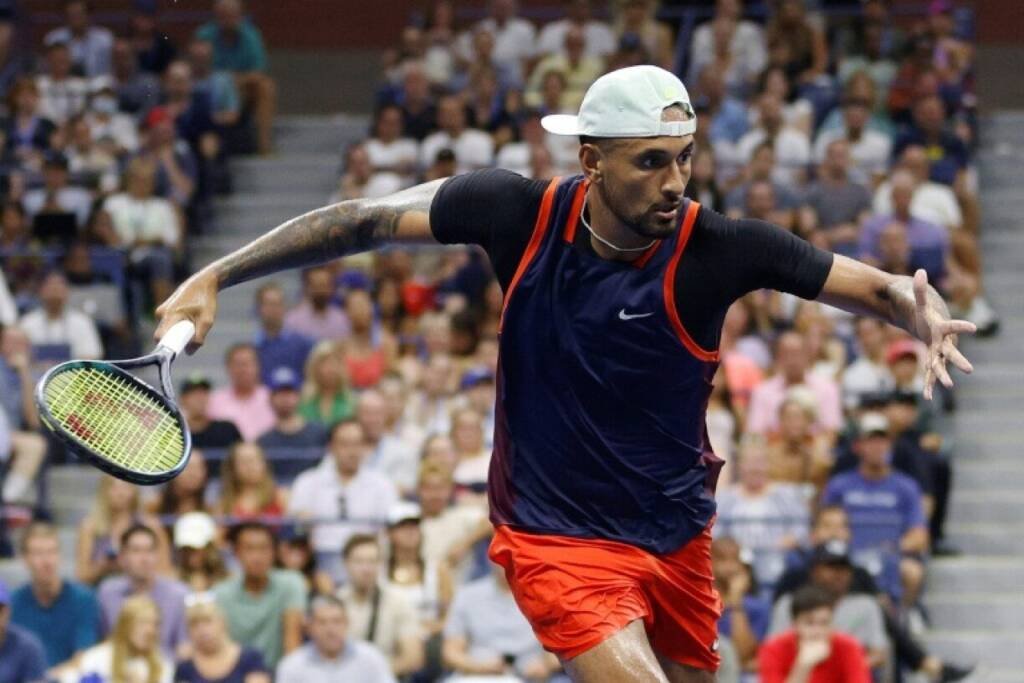
Photo: GETTY IMAGES NORTH AMERICA / AFP
These shots prove that the tennis arsenal is virtually limitless and always leaves room for creativity.
Conclusion
Your technical arsenal is a living system that evolves along with your game. Beginners should focus on building a reliable foundation with a consistent forehand and a dependable serve. More advanced players should add variety through slices, volleys, and shot disguise. But regardless of your level, one thing remains the same: the unique satisfaction of seeing the ball travel exactly where you intended it to go.
At Cross Court Tennis Academy, we help players do more than simply memorize movements, we teach them to understand the purpose, strategy, and philosophy behind every shot.