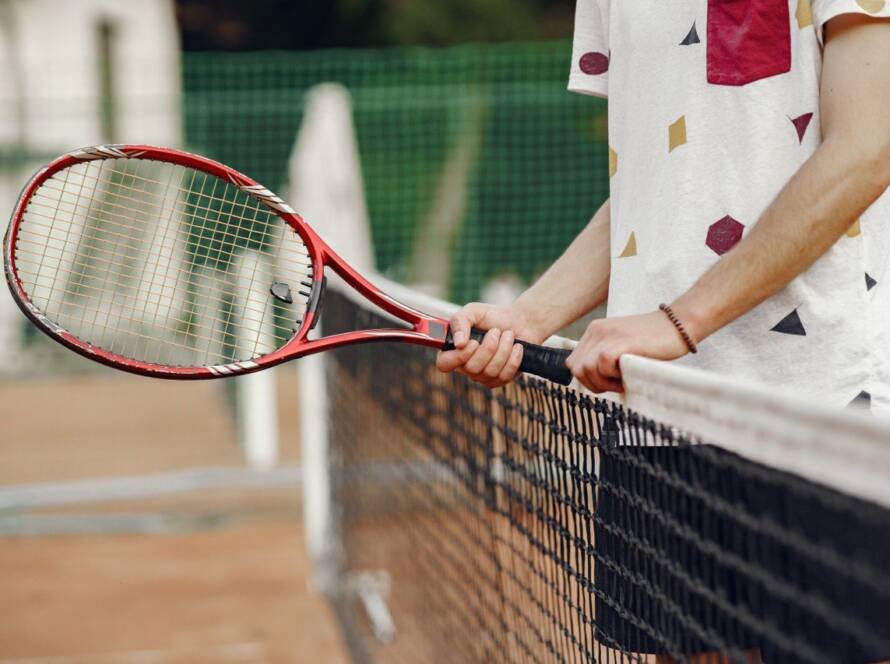
Choosing your first (or next) tennis racquet can feel overwhelming — but it doesn’t have to be. Tennis racquet isn’t just about picking the most popular brand or the flashiest frame. It’s about finding a tool that fits your style, your level and your goals — something that helps you enjoy the game and play your best. At CrossCourt, we believe the right racquet makes a real difference in how you play, improve and enjoy your time on court.
Remember: your racquet is a tool, not a trophy. Choose the one that feels comfortable, suits your game today and lets you enjoy every hit – not just the one that looks cool on Instagram.
Step 1: Match PHYSICAL PARAMETERS to Your Level
Your experience level should be the first thing you consider. Different racquets are built for different needs — power, control, or maneuverability.
For beginners:
- Choose a racquet with a large head size (100–110 square inches) for a bigger sweet spot.
- Pick a lighter racquet (250–280 grams) that’s easier to swing.
For intermediate players:
- Look for a medium head size (98–100 square inches).
- Opt for a moderate weight (280–300 grams) to balance power and control.
For advanced players:
- Choose a heavier frame (300g+) for stability and control.
- Consider a smaller head size (95–98 square inches) for better precisio


Step 2: Understand Weight and Balance
The way a racquet feels in your hand during a swing is critical. Weight affects power and comfort, while balance influences your ability to maneuver.
Key points:
- Lighter racquets (under 285g) – easier to swing, less tiring for the arm.
- Heavier racquets (over 290g) – more stable on impact, better for stronger players.
- Head-light racquets – quicker net play and better control.
- Head-heavy racquets – more power on groundstrokes, slightly slower reactions at the net.
Choose what feels natural when you swing – forcing it rarely works long term.
Step 3: Think About Your Playing Style
What happens during your rallies should influence your choice.
If you like long rallies from the baseline:
- Look for a racquet that offers easy power and good spin potential.
If you prefer attacking the net:
- Choose a racquet that’s head-light and quick to maneuver for faster reactions.
If you’re an all-rounder:
- A balanced racquet (equal distribution of weight) will support both baseline and net play.
Remember: your racquet should complement your natural game, not fight aga
Step 4: Get the Grip Size Right
Many players ignore grip size, but it directly affects comfort, control and injury risk. Incorrect grip size can lead to wrist, elbow or shoulder problems over time.
How to check:
- Hold the racquet naturally.
- You should be able to fit the index finger of your other hand into the space between your fingers and palm.
- If you’re in doubt, choose a slightly smaller grip — you can always add an overgrip to adjust.
Comfort is everything. Don’t overlook it.
Step 5: Try Before You Buy
The most important advice: No matter what the specs say, the racquet has to feel right for you.
Before committing:
- Try at least two or three different models if possible.
- Pay attention to swing feel, weight during long rallies and comfort at the net.
- Focus on how easily you can control shots, not just how hard you can hit.
At CrossCourt, you can try different racquets – so don’t hesitate to ask your coach during your next session!

LET’S WRAP IT UP
Here’s a simple guide to help you match your racquet to your level — so you can step on court with the right tool from the start.
| Parameter | Beginners | Intermediate Players | Advanced players |
|---|---|---|---|
| Head Size (sq in) | 100–110 | 98–100 | 95–98 |
| Weight (g) | 250–280 | 280–300 | 300–320 |
| Balance | Even or Slightly Head-Heavy | Head-Light | Head-Light |
| Grip Size Tip* | Choose a slightly smaller grip (Size 1-2), add overgrip if needed | Measure properly: one finger fits between fingers and palm | Exact grip fit important; too small or large affects control |
Grip Size Details:
- If in doubt between two sizes, choose the smaller one — you can always add an overgrip (adds about 1/16 inch).
- 4 1/8″ (Size 1) and 4 1/4″ (Size 2) grips are most common for juniors moving into adult racquets and for women.
- 4 3/8″ (Size 3) is the most common adult men’s grip size.