

Here at Cross Court Academy, we know that tennis isn’t just won with your racket. It’s won with your head. Our coaches spend hours watching students on the courts, and they’ve noticed something fascinating: before serving, one player will bounce the ball exactly three times, another fiddles with their strings, and someone else always positions their bag just so.
This isn’t random. These are rituals. In the high-pressure world of competitive tennis, rituals become your anchor. They keep you grounded when everything else feels chaotic.
What exactly is a tennis ritual, and where do they come from?
A ritual is a sequence of actions you do (sometimes consciously, sometimes not) to get yourself ready for the next point. What makes it different from just a regular habit? It runs deeper psychologically.
So how do they start? Usually in winning moments. Say you adjust your cap and then nail an ace. Your brain makes that connection. Do it enough times and it becomes a mental trigger: “I did this thing, so I’m ready. I’ve got this. I’m in control.”
Why our brains need rituals
Rituals do three really important things:
- They give you control when everything else is unpredictable. A match can go sideways fast, but your ritual? That’s all you. It’s your constant in the chaos.
- They calm you down. Repetitive actions are like a reset button for your nervous system.
- They help you lock in. A good ritual blocks out all the noise and gets you into that zone where you’re just playing.
The quirky habits of the pros
Top tennis players have taken rituals to a whole new level. Here are some of the best examples:
1. Rafael Nadal and his water bottles. This is probably the most famous one. Rafa always lines up his two water bottles with the labels facing the court, perfectly aligned. It’s his way of creating order before he steps out there and dominates.
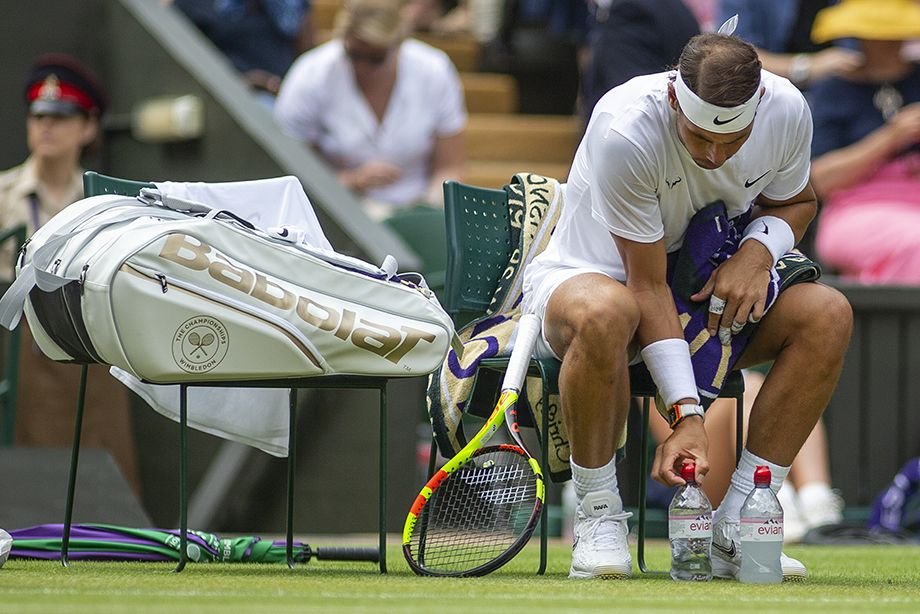
PHOTO: TIM CLAYTON/GETTY IMAGES
2. Novak Djokovic and his ball bouncing. Before serving, Novak will bounce that ball 10, 20, sometimes 30 times, especially when the pressure’s on. It’s like his internal clock, helping him breathe right and find his rhythm.
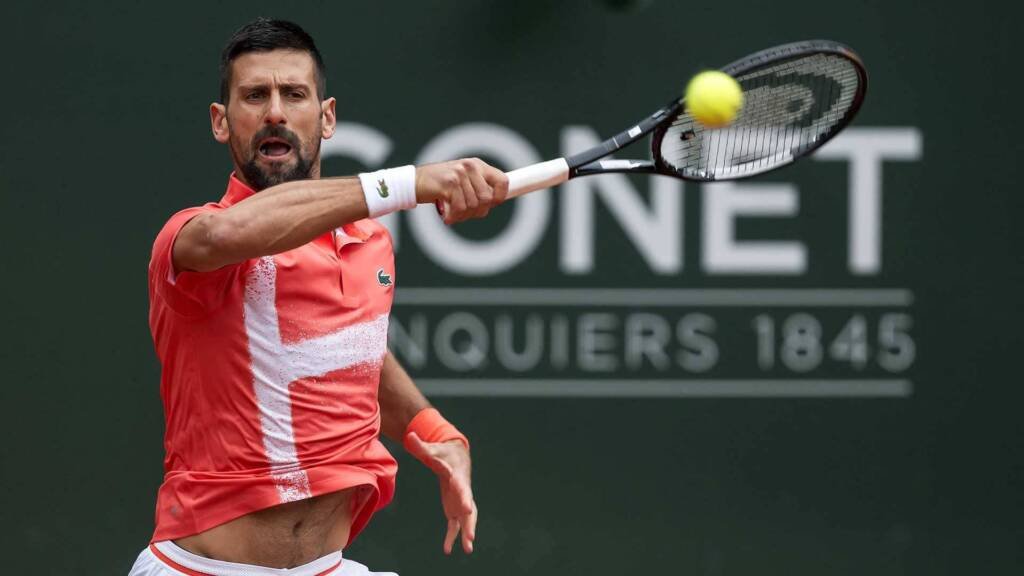
PHOTO: FABRICE COFFRINI/GETTY IMAGES
3. Maria Sharapova and the lines. Maria never stepped on the court lines between points. Ever. She’d step over them like she was stepping over her doubts, leaving mistakes behind and staying focused on what’s coming next.
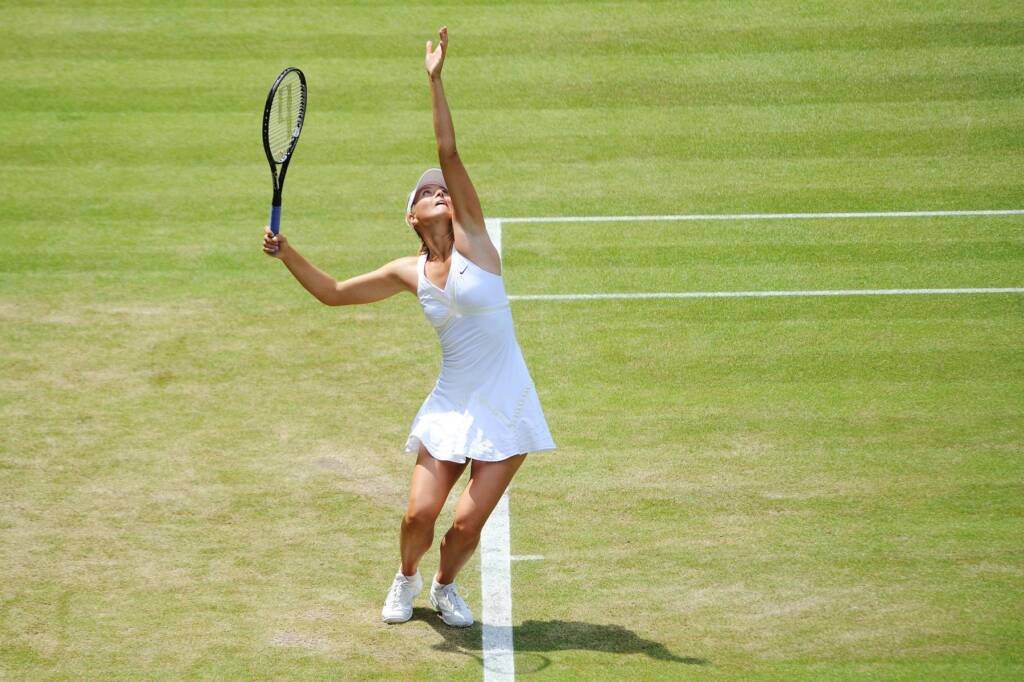
PHOTO: WIKIPEDIA
Superstitions: when logic goes out the window
Rituals are about preparation. Superstitions? Those are about believing certain things are just… lucky. And you know what? Even the irrational stuff seems to work in tennis.
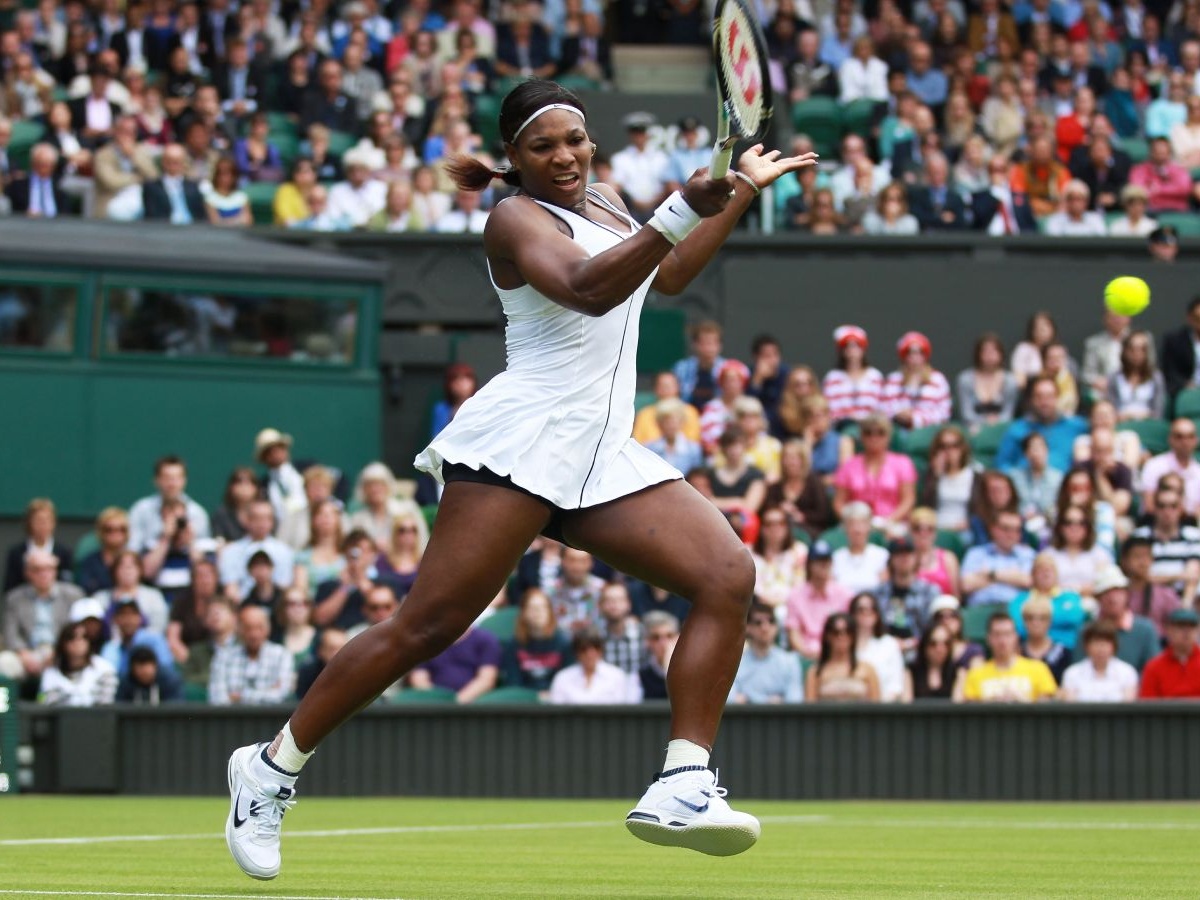
1. Serena Williams and her lucky socks. The GOAT herself would wear the same socks for an entire tournament (sometimes two whole weeks) if she kept winning. She also had this specific way of tying her shoelaces that she never changed before matches.
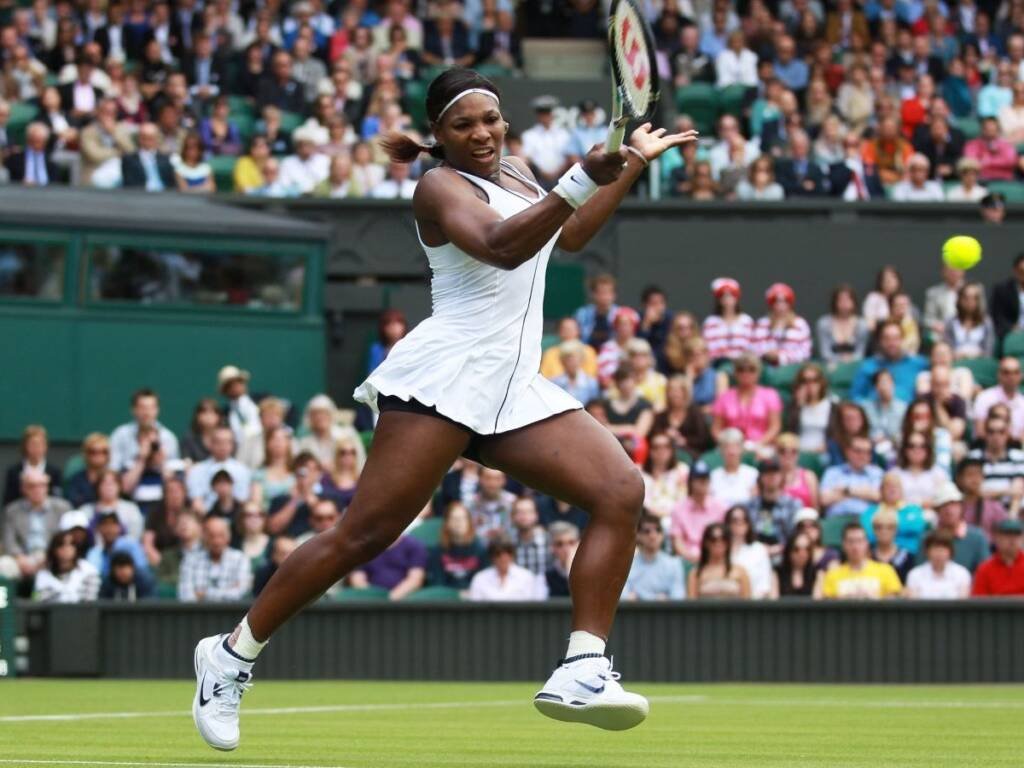
PHOTO: CHAMPIONAT.COM
2. Björn Borg and his Wimbledon beard. The five-time Wimbledon champ would start growing his beard before the tournament and refuse to shave until it was over. It became such a thing that it kicked off the whole “playoff beard” phenomenon in other sports.
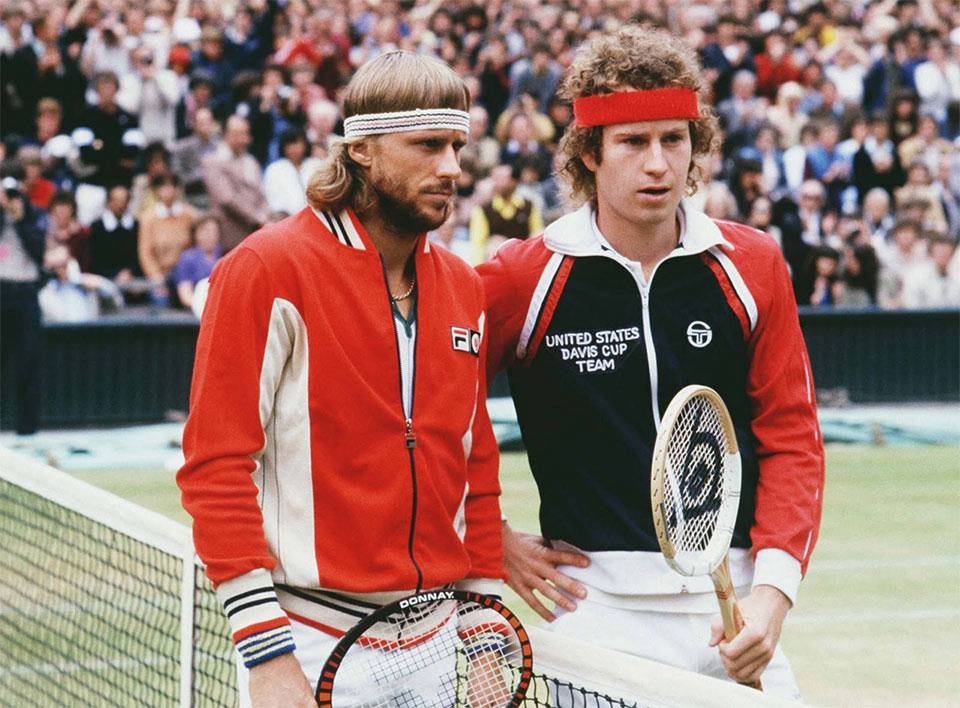
PHOTO: BOB THOMAS/GETTY IMAGES
3. Richard Gasquet and the winning ball. When the French player wins a point, he asks the ball kid for that exact same ball for his next serve. He’s convinced lucky balls should stay in play as long as possible.
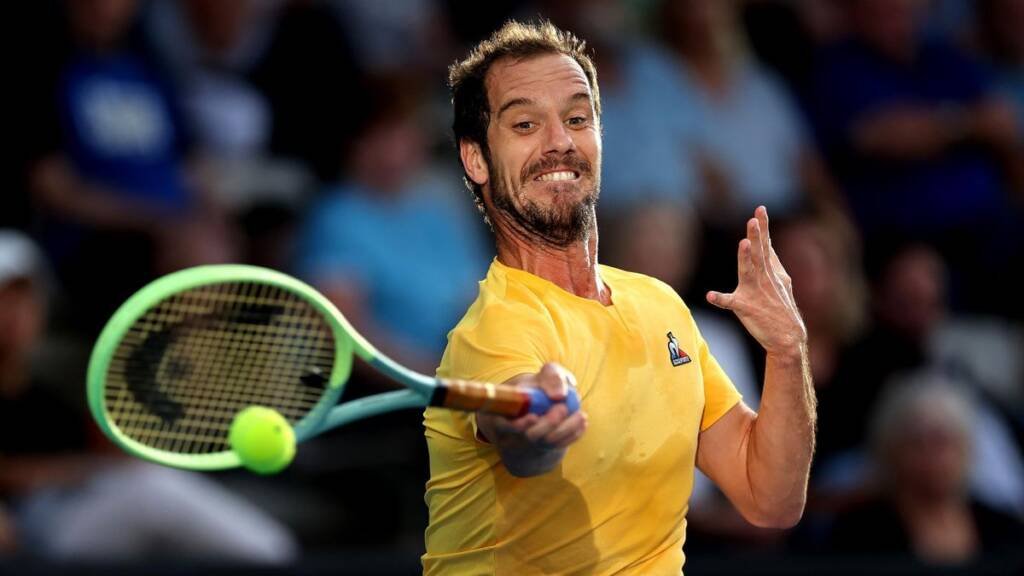
PHOTO: EUROSPORT.COM
Should you ditch your rituals?
We get this question a lot at Cross Court: “Is it weird that I’m always adjusting my shoelaces before I return serve?”
Here’s what we tell people: if your ritual helps you focus and doesn’t become this obsessive thing that gets in the way of actually playing, keep it. It’s working for you. The only rituals you need to drop are the ones that make you vulnerable. Like, if you absolutely can’t play until you do your thing, and your opponent figures that out and rushes you? Yeah, then we need to work on making you more mentally flexible.
Train like a pro at Cross Court
At our academy, we don’t just drill technique and build endurance. Our coaches take a complete approach that includes the mental game.
We work with everyone from total beginners to competitive players, helping them discover their own rituals and mental anchors that make their game more consistent and confident.
Here’s the thing: champions aren’t fearless. They just know how to deal with fear. And sometimes that’s as simple as lining up your water bottle the right way or making sure you don’t step on that line.


/origin-imgresizer.eurosport.com/2023/01/13/3524980-71846768-2560-1440.jpg)