
Tennis is a game of small details, and sometimes, one difference can completely change how a match plays out. One of those differences? Being left-handed.
Only about 10–12% of players are left-handed, which makes them a rare challenge on court. But what they lack in numbers, they make up for in impact. At the top level, left-handers appear far more often than you’d expect—and for good reason.
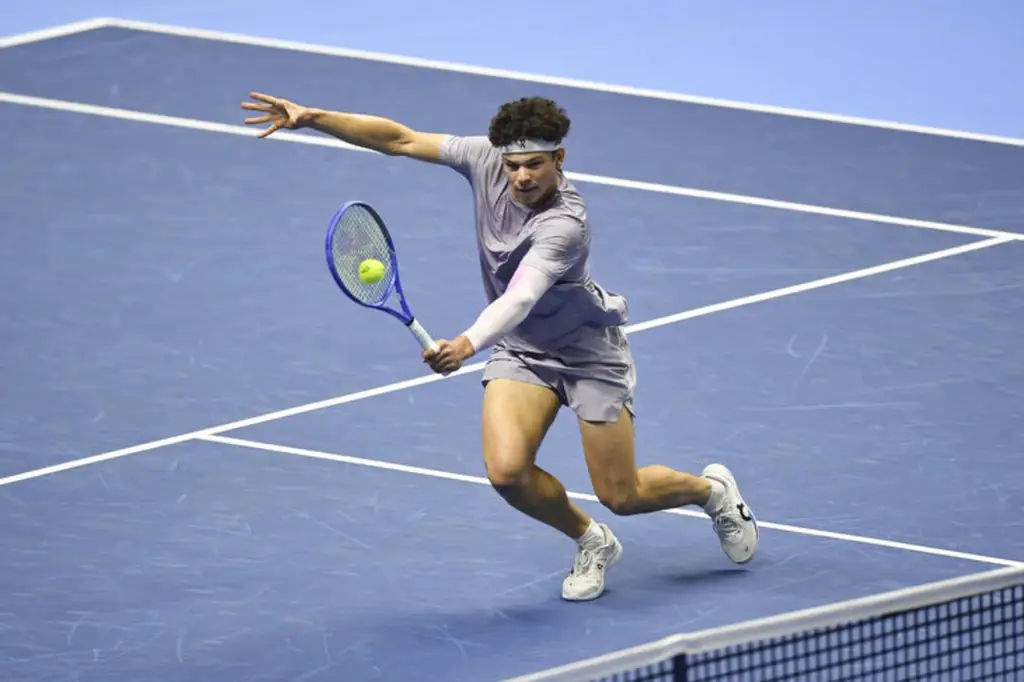
Photo: sports.ru
So what makes left-handed players so tricky to face? And how can they turn this into a real advantage?
Can You Play Tennis Left-Handed?
Absolutely.
Being left-handed isn’t a limitation —it’s often a real advantage. Playing with your left hand can be just as natural and effective as playing with your right. What really matters is how you train.
Even if you start tennis later in life, it’s never too late to build confidence and control with your left hand. With patience, consistency, and the right guidance, your coordination and technique will improve steadily.
Pros and Cons of Playing Left-Handed
For years, there has been a common belief in tennis that left-handed players have a built-in advantage. And there’s some truth to that — but like anything in sport, it comes with both benefits and challenges.
Advantages:
- Unfamiliar patterns for right-handed players. Most players are right-handed, so facing a lefty can feel uncomfortable. The ball moves differently, spins differently, and comes from angles they’re not used to. This forces right-handed players to adjust quickly —and often under pressure.
- Tactical edge. A left-handed serve naturally moves away from a right-hander’s backhand— often their weaker side. At the same time, a lefty’s forehand tends to target that same area. This creates constant pressure and opens up more attacking opportunities.

Photo: sports.ru
- Psychological advantage. Facing something unfamiliar can create doubt. Left-handed players often benefit from that, especially in important moments.
Challenges:
- Fewer left-handed practice partners. It can be harder to find other left-handed players to train with. This means you might get less exposure to mirror-style practice situations.
- High technical demands. Being left-handed doesn’t replace good fundamentals. To fully use the advantage, players still need solid technique, consistency, and control.
How Left-Handers Play: Key Patterns and Strategy
Left-handed players naturally create different patterns on court — and when used well, these can be very effective.
- Wide slice serve. One of the biggest weapons. A lefty’s slice serve pulls a right-handed opponent off the court, often forcing a weak return.
- Forehand to backhand pattern. A classic lefty strategy — using the forehand to repeatedly target the opponent’s backhand side.
- Sharp angles. Left-handers can create angles that feel unusual to right-handed players, making rallies less predictable and harder to control.

Tips for Playing Against Left-Handers
Playing against a left-handed opponent requires a slightly different approach. Here are a few practical tips:
- Target the backhand — often the less dominant side
- Change direction — don’t let them settle into forehand patterns
- Use your serve wisely — aim for uncomfortable zones
- Stay calm and adjust — the ball may feel different at first, but you’ll adapt
Equipment for Left-Handers: Myth vs Reality
There’s a common myth that left-handed players need special equipment.
They don’t.
There is no such thing as “left-handed tennis gear.” The best racket and setup are simply the ones that feel right for you. The key is to try different options and focus on what gives you the best control, comfort, and confidence on court.
Famous Left-Handed Players
Some of the greatest players in tennis history have been left-handed, and they’ve shown just how powerful this advantage can be.
- Rafael Nadal. One of the greatest players of all time. Naturally right-handed, Nadal was trained to play left-handed to gain a tactical edge. His heavy topspin forehand and wide serve have caused problems for opponents for years. With 22 Grand Slam titles, his results speak for themselves.
- Martina Navratilova. A true legend of the game. Her left-handed serve combined with aggressive net play made her incredibly difficult to beat. She won 18 Grand Slam singles titles and dominated her era.

Photo: championat.com
- John McEnroe. Known for his creativity and touch, McEnroe used his left-handed game to create unique angles and spin. His style was not just effective, it was iconic.
Final Thoughts
Being left-handed can give you a clear edge on the court, especially if you learn how to use it well.
You don’t need to rebuild your game from scratch. Many of your natural patterns already put pressure on right-handed opponents and create opportunities during rallies.
In the end, progress in tennis comes from consistency, smart decision-making, and enjoying the process. And if you’re left-handed, that’s a strong advantage you can build on as you improve.