Tennis is a high-intensity sport that combines explosive movements, rapid changes of direction, and often lengthy matches. Because of these constantly changing physical demands, nutrition and hydration are not secondary considerations—they are essential parts of performance and recovery.
What you eat before stepping onto the court, how you fuel during play, and how you recover afterward can significantly affect your energy levels, focus, endurance, and ability to maintain a high standard of play until the very last point.
The energy demands of tennis vary greatly depending on factors such as court surface, playing style, rally length, temperature, and humidity. That’s why every player should have a basic nutrition and hydration strategy and understand when and how much to eat and drink.
How Much Energy and Fluid Does a Tennis Player Actually Use?
Many amateur players underestimate just how physically demanding tennis can be. Between explosive sprints, quick changes of direction, and long rallies, your body is constantly working and burning energy.
To put things into perspective:
- An amateur tennis player can burn roughly 400–700 calories during an intensive one-hour session. Professional players may use 600–900+ calories per hour during a match.
- A long 2–3 hour match can easily burn 1,500–3,000 calories or more, depending on the pace of play, weather conditions, and court surface.
- Fluid losses are equally significant. In moderate weather, most players lose around 0.5–1 litre of sweat per hour, while in hot and humid conditions that number can climb to 1–2 litres or even more.
- Along with water, your body also loses important electrolytes, especially sodium. That’s why during longer sessions it’s important to replace not only fluids, but also the minerals lost through sweat.
The takeaway is simple: if you don’t replace the energy and fluids you lose on court, performance will eventually drop. Fatigue sets in faster, concentration suffers, and recovery takes longer.
Pre-Training Nutrition: Building Your Energy Reserve
The goal before training or a match is simple: start with full energy stores while feeling light, comfortable, and focused.
2–3 Hours Before Playing
Choose a balanced meal consisting of:
- Low- to moderate-glycaemic carbohydrates
- A moderate amount of protein
- Minimal heavy fats
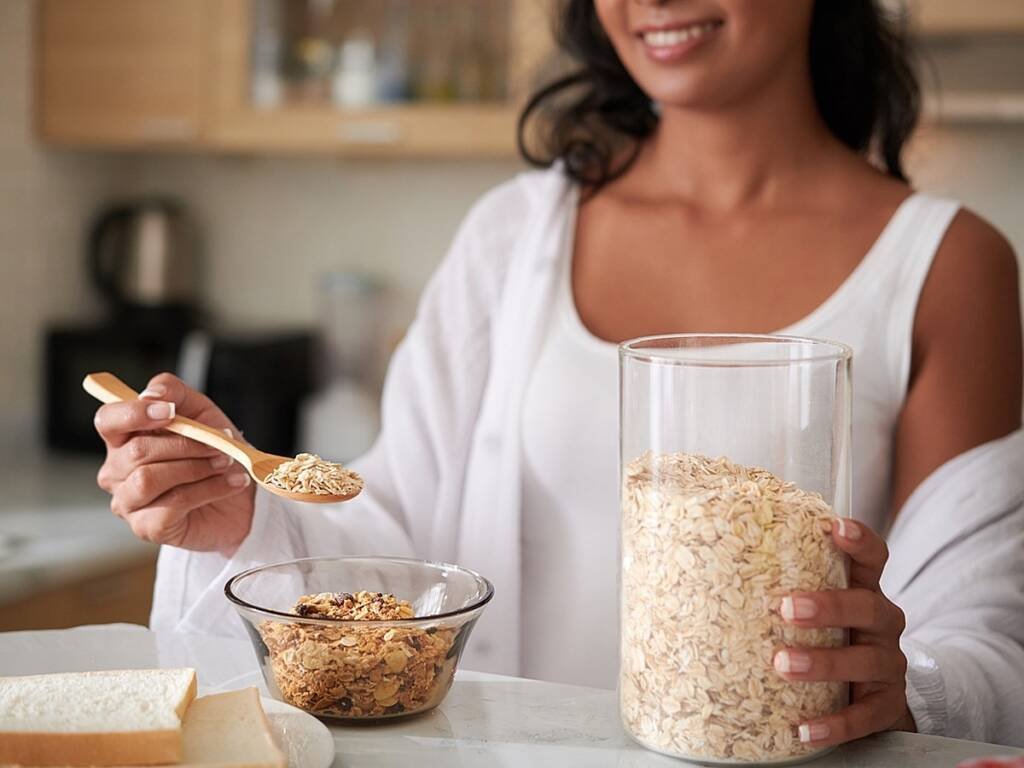
Good options include:
- Oatmeal with banana
- Pasta with a small portion of lean protein
- Rice with vegetables and eggs
- Toast with eggs and fruit
Avoid large amounts of fat and excessive fibre immediately before training, as they may cause digestive discomfort or sluggishness.
30–60 Minutes Before Playing
A light snack with easily digestible carbohydrates can provide a useful energy boost:
- Banana
- Toast with honey or jam
- Small yogurt
- Sports drink
Pre-Training Hydration
Drink 400–600 ml of water approximately 2 hours before training.
Drink an additional 150–250 ml 15–30 minutes before stepping onto the court.
| Timing | What to Eat | Suggested Portion |
| 2–3 hours before training | Complex carbohydrates + protein | 60–80 g oatmeal with 150–200 g yogurt or 1 egg |
| 30–60 minutes before training | Fast-digesting carbohydrates | 1 banana or 1 slice of toast with honey |
| 0–15 minutes before training | Quick energy boost | Small energy gel, a handful of dried fruit, or 150 ml of sports drink |
During Training: Maintaining Performance
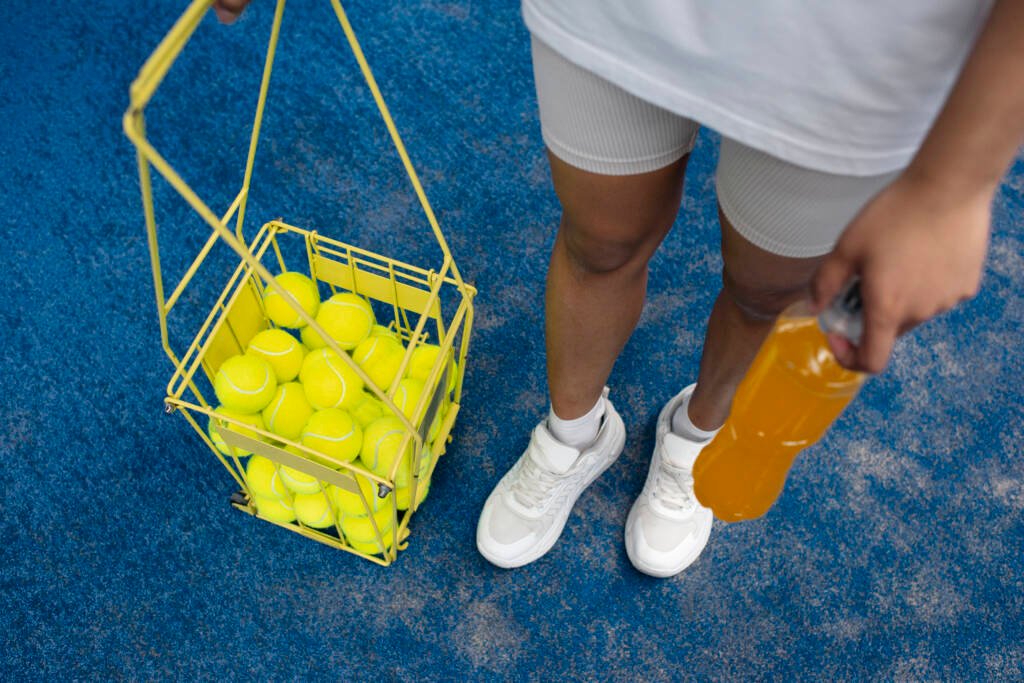
The objective during play is not to feel full but to maintain energy levels and replace fluids and electrolytes as they are lost.
Sessions Under 60 Minutes
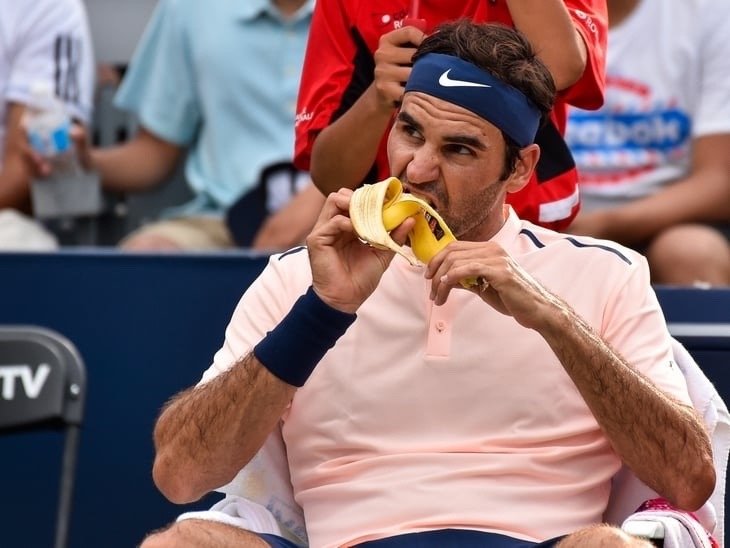
For most players, water is sufficient. A small piece of fruit, such as a banana, can be helpful if desired.
Sessions Longer Than 60–75 Minutes
Aim for approximately 30–60 grams of carbohydrates per hour.
Practical options include:
- Sports drinks containing 4–8% carbohydrates
- Energy gels
- Soft dried fruit
- Banana pieces

Playing in Hot Conditions
When temperatures are high and sweat losses increase, consider adding electrolytes, particularly sodium.
Options include:
- Isotonic sports drinks
- Electrolyte tablets
- Electrolyte powders
These can help maintain fluid balance and reduce the risk of cramps.
Important: Never experiment with new foods, drinks, or supplements on match day. Test them during training first.
What to Bring to Practice: Quick Checklist
- Water bottle
- Diluted sports drink
- 1–2 bananas or other convenient fruit
- Energy gels or bars that you’ve already tested
- Recovery shake or yogurt
- Electrolyte tablets (especially in hot weather)

Post-Training Nutrition: Recover Faster
The first hour after exercise is one of the most important recovery periods. During this time, your body is especially receptive to replenishing energy stores and repairing muscle tissue.
Within 30–60 Minutes After Training
Choose a combination of carbohydrates and protein:
- Protein shake with milk or water
- Yogurt with fruit
- Turkey sandwich with fruit
- Cottage cheese with berries
This helps restore energy levels and kick-start recovery.
Within the Next 2–4 Hours
Have a complete meal that includes:
- Complex carbohydrates
- Lean protein
- Vegetables
Examples:
- Chicken with rice and vegetables
- Salmon with potatoes
- Beef with pasta and salad

Rehydration
Replace lost fluids as soon as possible after training.
A practical guideline is to consume approximately 1.25–1.5 litres of fluid for every kilogram of body weight lost during exercise.
If sweat losses were significant, choose drinks containing sodium to improve fluid retention.
Additional Recovery Strategies
Nutrition is only one part of recovery. The following can also help:
- Light walking
- Gentle stretching
- Quality sleep
- Contrast showers
- Massage
Training Day vs Match Day: What’s the Difference?
Training days are the perfect opportunity to experiment with nutrition and hydration strategies. Try different snacks, drinks, and electrolyte combinations to discover what works best for your body.
Match day is different.
The golden rule is simple: Nothing new on match day.
Stick with foods, drinks, and routines you have already tested successfully.
Match Day Guidelines
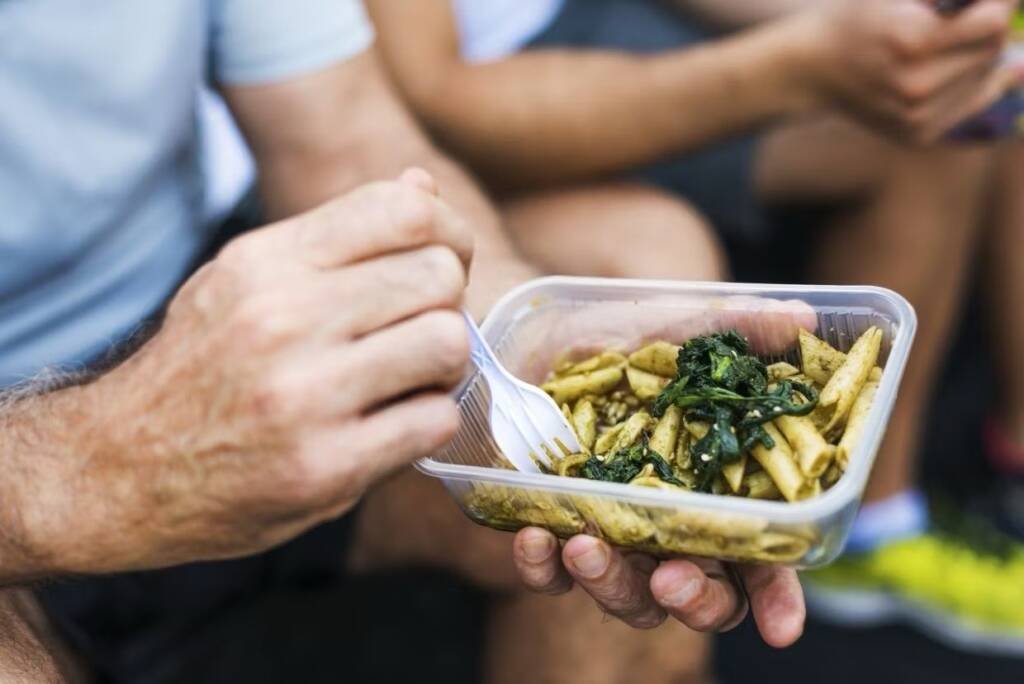
3–4 hours before the match:
A familiar meal focused on carbohydrates with a moderate amount of protein.
Examples:
- Pasta with chicken
- Rice with eggs
- Potatoes with lean protein
30–60 minutes before:
A light, familiar snack such as:
- Banana
- Toast
- Sports drink
During the match:
- Small amounts of carbohydrates every 45–60 minutes
- Consistent hydration
- Additional sodium if you’re a heavy sweater or playing in hot conditions
There’s also a psychological benefit to a consistent nutrition routine. Familiar habits help reduce stress and increase confidence before competition.
Quick Tips to Remember
- Test nutrition strategies during practice, not competition.
- Weigh yourself before and after training occasionally to estimate fluid losses.
- Don’t forget about sodium—during long sessions it’s often just as important as water.
- Recovery starts with nutrition but also depends heavily on sleep and consistency.
Final Thoughts
Tennis nutrition doesn’t have to be complicated. Think of it as a simple system:
Fuel before. Support during. Recover after.
A balanced approach to nutrition and hydration can help you stay faster, sharper, and healthier on the court.
Start with the basics: a proper meal 2–3 hours before play, a light snack before stepping onto the court, additional fuel during longer sessions, and a solid recovery meal afterward.
Track how you feel, adjust your plan over time, and find what works best for your body. Consistency in your nutrition strategy can be just as valuable as consistency in your training.